Before you fall in love with a listing, get pre-approved. A pre-approval tells you what you can actually afford, signals to sellers that you’re serious, and turns a stressful process into a confident one. Here’s how it works for first-time buyers across our Midwest markets.
Pre-Qualification vs. Pre-Approval
They sound similar but aren’t. A pre-qualification is a quick estimate based on information you share. A pre-approval is a lender’s conditional commitment after they verify your income, assets, and credit — and it carries far more weight with sellers. The Consumer Financial Protection Bureau publishes excellent neutral guides on the difference and on shopping for a loan.
What You'll Need
- Recent pay stubs and W-2s (or tax returns if self-employed)
- Bank and asset statements
- Government-issued ID
- Authorization for a credit check
Gathering these in advance makes the process dramatically faster.
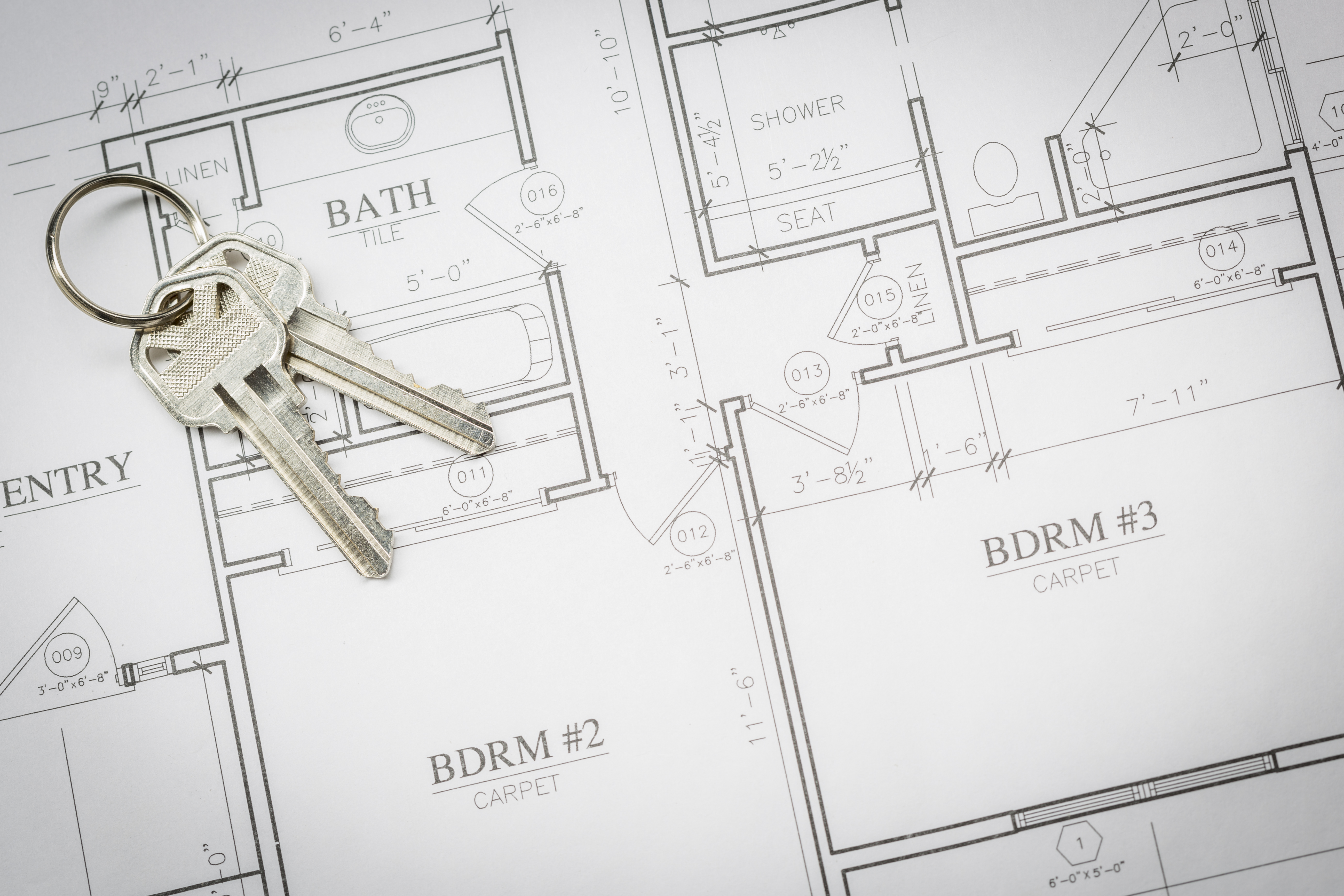
A little prep up front makes pre-approval far smoother.
Down Payment Assistance Programs
First-time buyers often qualify for help. Each of our states runs a housing finance agency with down-payment and first-time-buyer programs: the Indiana Housing & Community Development Authority, the Ohio Housing Finance Agency, and the Michigan State Housing Development Authority. These can meaningfully lower your upfront costs.
Mistakes to Avoid
Once you’re pre-approved, don’t open new credit lines, make large purchases, or change jobs before closing — each can jeopardize your loan. Keep your finances boring until you have the keys.
Then Comes the Fun Part
With a pre-approval in hand, you can shop with confidence. Pair this with our guide to the best neighborhoods for first-time buyers and our take on buying vs. renting in 2026.
This article is general information, not financial advice — talk to a licensed lender about your situation. Ready to start touring? Browse our listings → or reach out.